Who Is Liable If Someone Gets Hurt During a Texas Property Showing?
A property showing can involve more than opening a front door—especially when you’re selling land, touring an active construction site, or walking through a working horse facility.
An unfinished staircase. A concealed hole in a pasture. A horse reaching over a stall door. These situations raise an important question: Who carries the risk if a buyer or agent gets injured?
For Texas landowners, developers, and sellers, the answer depends on the circumstances. Good preparation starts before anyone enters the property.
Who could be responsible?
Ownership alone does not answer every liability question. An injury claim can involve the property owner, a tenant or operator, a builder or contractor, or another party whose conduct contributed to the injury.
Texas premises liability law considers why the visitor entered, who controlled the property, what dangerous condition existed, and what the responsible party knew—or should have known—about it. Business visitors generally fall within the “invitee” category, which carries duties concerning unreasonable hazards discoverable through reasonable care. A showing should therefore be treated as a business visit requiring preparation.
An accident does not automatically establish liability. It also does not automatically place all responsibility on the injured visitor.
Construction-site showings need a plan
A home under construction is a changing work environment. A route that was accessible yesterday may have exposed wiring, loose materials, or an open trench today.
For development listings and unfinished homes, my recommended showing protocol includes:
-
Authorized, escorted access: Coordinate with the builder or site supervisor before each visit.
-
A designated route: Keep visitors away from active work, excavations, unprotected edges, and unfinished stairs.
-
Specific warnings: Explain the actual hazards visitors may encounter.
-
Appropriate footwear and required protective equipment: Establish expectations before arrival.
-
An attorney-reviewed entry agreement: Where appropriate, obtain signatures before entry.
-
A clear stopping point: Postpone the tour when safe access cannot be provided.
A signed document should never become the reason to allow a tour through an unsafe area.
Does a listing agreement protect the seller?
Do not assume a listing agreement serves as a visitor liability release.
A listing agreement governs the relationship between the seller and brokerage. Access, indemnity, and limitation-of-liability provisions must be read in context; they do not automatically release claims belonging to a buyer or visiting agent.
TREC also distinguishes its promulgated forms from privately negotiated listing agreements. Texas REALTORS® supplies separate forms to its members. The precise document and current wording matter.
For construction-site access, have your broker and Texas attorney determine whether a separate visitor agreement is appropriate. A hazard notice, showing agreement, and liability release serve different purposes.
What a waiver can—and cannot—do
A properly drafted waiver may help address certain claims, but it cannot make it impossible for someone to file a lawsuit.
Texas requirements for releases are specific. For example, a release intended to address negligence must satisfy express-language and conspicuousness requirements. That is why a generic internet form—or a document borrowed from another business—deserves legal review before use.
Ask your attorney whether the agreement adequately addresses:
-
The property, activity, and anticipated hazards.
-
The people and entities intended to receive protection.
-
Buyers, visiting agents, and other adult attendees.
-
Any special issues involving children.
A waiver belongs alongside safe access procedures and appropriate insurance.
Horse property showings: familiar horses still carry risk
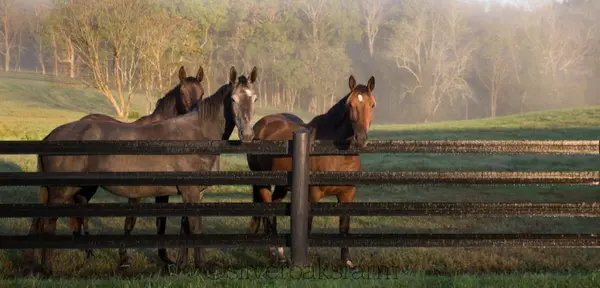
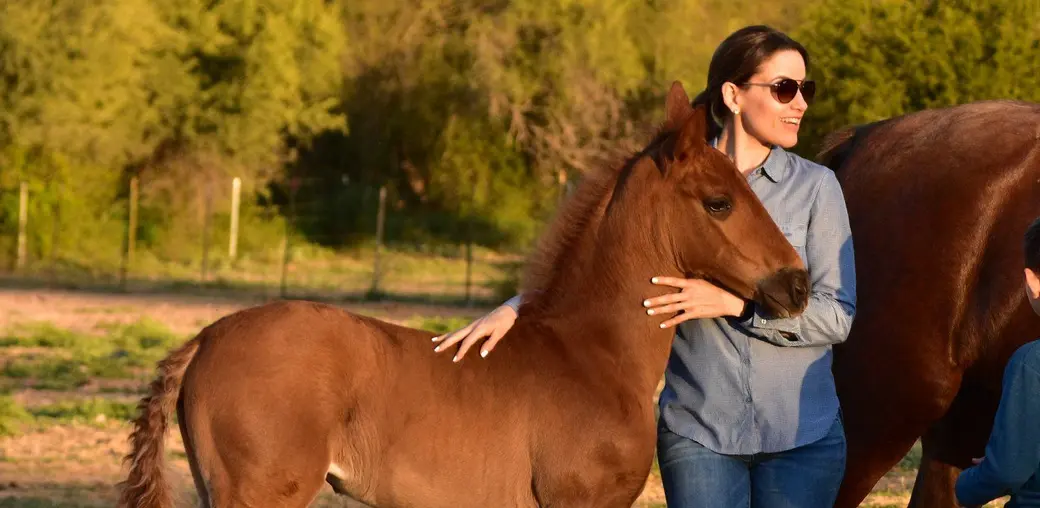
Having spent much of my life around horses, I know how quickly an ordinary moment can change. A horse can bite, kick, or run over someone who does not recognize its warning signs.
My practice is to require waivers when horses are on site and visitors will be in proximity to them during a showing. Often, the barn already has its own forms. Before relying on those documents, however, the owner should have counsel confirm that they cover property tours and the relevant parties.
A boarding or riding waiver may have been written for a different activity. Before our listing goes live, I ensure we carry the appropriate coverage and that the facility is current with the required signs and waivers to protect my sellers.
My showing precautions also include keeping visitors outside occupied stalls and paddocks, discouraging feeding or touching horses, supervising children closely, and arranging for a knowledgeable handler when access near animals is necessary.
Does Texas law protect horse owners?
Texas has a Farm Animal Liability Act that limits liability for certain injuries resulting from the inherent risks of qualifying farm animal activities. It is not blanket “no-fault” protection.
The statute includes exceptions involving matters such as faulty equipment, certain failures to assess participant ability, undisclosed dangerous latent land conditions, and willful or wanton disregard for safety. It also imposes warning-sign and certain contract-notice requirements.
There is another important distinction for real estate showings: being near a horse does not automatically make a visitor a participant in a covered farm animal activity. The statute’s activity and participant definitions matter. Owners should have counsel evaluate its application to their particular showing arrangements.
Use the current statutory warning language where required, maintain visible signs, and keep waiver language current. Signs and waivers serve different functions.
Leasing your land? Address access and liability early
The same preparation matters when leasing acreage for boarding, grazing, riding, training, or other uses.
Before possession changes hands, ask an attorney to address who controls visitor access, maintains fences and facilities, handles hazard reports, provides required signage, and obtains appropriate releases.
Ask an insurance professional to confirm coverage for the actual activities taking place. A property used for private enjoyment may present different insurance needs once it hosts boarders, customers, lessons, or other business activities. Texas A&M AgriLife recommends confirming that liability coverage encompasses every activity conducted on the property.
A lease should make responsibilities clear; owners should not assume that leasing the property eliminates their potential exposure.
What about seller’s disclosures for unfinished homes?
This is a separate issue from showing safety.
Texas Property Code §5.008 generally exempts a new, single-unit residence that has never been occupied for residential purposes from that section’s Seller’s Disclosure Notice requirement. The exemption does not establish that the property is safe to enter or eliminate other applicable obligations.
Other contractual disclosures may still apply. Texas REALTORS® notes that new-home, unimproved-property, and farm-and-ranch contracts require certain property-condition information even when the statutory Seller’s Disclosure Notice is not required. Previously occupied homes also require an exemption review rather than a blanket assumption that every transfer requires the notice.
Before the first showing, err on the side of caution
For land, development, and equestrian listings, I encourage sellers to establish access rules, identify hazards, review insurance, and have appropriate legal documents ready before scheduling tours. Unique scenarios might require a real estate attorney to draft something for that specific situation. When in doubt, I always advice to seek counsel with a real estate attorney.
Thinking about selling acreage, a horse property, or a development in Central Texas? Let’s discuss how to prepare your property for organized, informed showings.
Rommina Soto | TexasLand · DMTX Realty Group
830-777-8171
HorsesAndRanches.com
This article provides general educational information about Texas property showings. It is not legal or insurance advice. Consult a Texas attorney and your insurance professional about your property and activities.
Categories
Recent Posts